
📥 Instant Direct Digital Download
🕒 24/7 Support Available
💳 Payments Are Secure and Encrypted
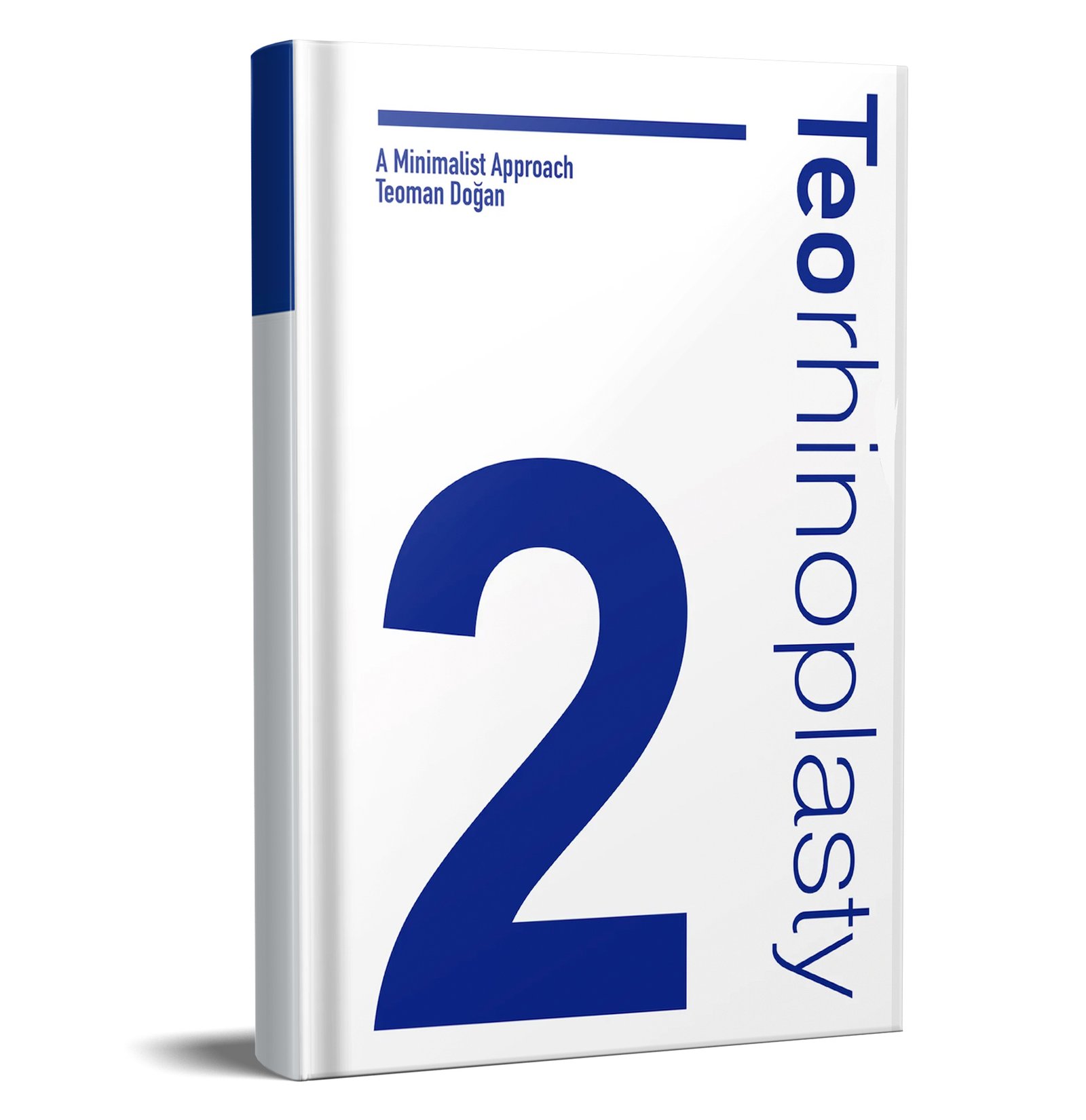
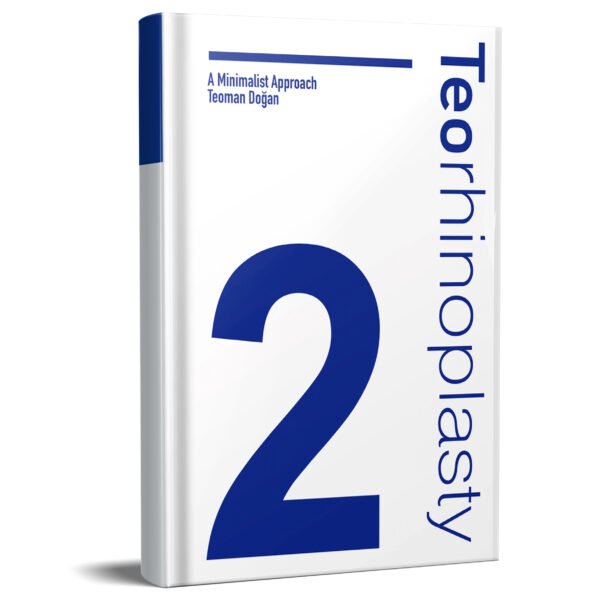
Teorhinoplasty Book 2nd Edition 2024 (scanned pdf)
-90% OffOriginal price was: $289.99.$29.99Current price is: $29.99.
Description
Teorhinoplasty, 2nd Edition, is a groundbreaking resource for rhinoplasty surgeons, offering an innovative approach to nasal surgery with a focus on achieving precision and consistency in every procedure. This updated edition presents a minimalist, yet highly effective, surgical philosophy that simplifies complex techniques and enhances patient outcomes.
The book combines detailed anatomical insights with step-by-step surgical guidance, making it an invaluable tool for both novice and experienced surgeons. Each chapter covers key aspects of rhinoplasty, including preoperative planning, surgical instruments, incision techniques, cartilage manipulation, and postoperative care. The second edition reflects the latest advancements in the field, incorporating refined techniques and practical tips that improve surgical efficiency and patient satisfaction.
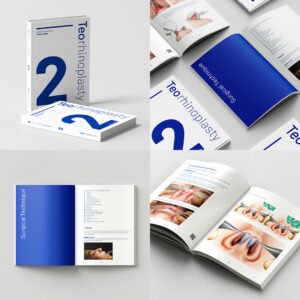
Accompanied by high-quality illustrations and exclusive video content, Teorhinoplasty transforms theoretical knowledge into practical mastery. This multimedia approach enables readers to gain a deeper understanding of each technique, ensuring better outcomes in clinical practice.
Ideal for plastic surgeons, otolaryngologists, and facial aesthetic specialists, this essential guide bridges the gap between theory and practice, making complex procedures more accessible and results more predictable.
6 reviews for Teorhinoplasty Book 2nd Edition 2024 (scanned pdf)
You may also like…
-
 -90% Off Original price was: $303.99.$29.99Current price is: $29.99.
📥 Instant Direct Digital Download
🕒 24/7 Support Available
💳 Payments Are Secure and Encrypted -
 -88% Off Original price was: $249.99.$29.99Current price is: $29.99.
This product is shared via a Google Drive link. 📂📥
💳 Payments Are Secure and Encrypted -
 -86% Off Original price was: $209.99.$29.99Current price is: $29.99.
This product is shared via a Google Drive link. 📂📥
💳 Payments Are Secure and Encrypted -
 -87% Off Original price was: $230.99.$29.99Current price is: $29.99.
📥 Instant Direct Digital Download
🕒 24/7 Support Available
💳 Payments Are Secure and Encrypted -
 -88% Off Original price was: $249.99.$29.99Current price is: $29.99.
📥 Instant Direct Digital Download
🕒 24/7 Support Available
💳 Payments Are Secure and Encrypted
Related products
-
 -91% Off Original price was: $316.99.$29.99Current price is: $29.99.
This product is shared via a Google Drive link. 📂📥
💳 Payments Are Secure and Encrypted -
 -91% Off Original price was: $316.99.$29.99Current price is: $29.99.
📥 Instant Direct Digital Download
🕒 24/7 Support Available
💳 Payments Are Secure and Encrypted -
 -77% Off Original price was: $128.99.$29.99Current price is: $29.99.
This product is shared via a Google Drive link. 📂📥
💳 Payments Are Secure and Encrypted -
 -88% Off Original price was: $255.99.$29.99Current price is: $29.99.
This product is shared via a Google Drive link. 📂📥
💳 Payments Are Secure and Encrypted -
 -77% Off Original price was: $128.99.$29.99Current price is: $29.99.
This product is shared via a Google Drive link. 📂📥
💳 Payments Are Secure and Encrypted -
 -89% Off Original price was: $263.99.$29.99Current price is: $29.99.
This product is shared via a Google Drive link. 📂📥
💳 Payments Are Secure and Encrypted -
 -91% Off Original price was: $329.99.$29.99Current price is: $29.99.
This product is shared via a Google Drive link. 📂📥
💳 Payments Are Secure and Encrypted -
 -82% Off Original price was: $169.99.$29.99Current price is: $29.99.
This product is shared via a Google Drive link. 📂📥
💳 Payments Are Secure and Encrypted -
 -93% Off Original price was: $414.99.$29.99Current price is: $29.99.
📥 Instant Direct Digital Download
🕒 24/7 Support Available
💳 Payments Are Secure and Encrypted -
 -70% Off Original price was: $99.99.$29.99Current price is: $29.99.
📥 Instant Direct Digital Download
🕒 24/7 Support Available
💳 Payments Are Secure and Encrypted -
 -68% Off Original price was: $93.99.$29.99Current price is: $29.99.
📥 Instant Direct Digital Download
🕒 24/7 Support Available
💳 Payments Are Secure and Encrypted -
 -71% Off Original price was: $103.99.$29.99Current price is: $29.99.
📥 Instant Direct Digital Download
🕒 24/7 Support Available
💳 Payments Are Secure and Encrypted
Daniel Mercer –
Teorhinoplasty 2 presents a remarkably coherent philosophy of rhinoplasty. What I found most compelling is the emphasis on correcting the primary deformity while preserving as much native anatomy as possible. The book does not simply provide a collection of maneuvers; it establishes a way of thinking about the nose as a functional and structural unit. The 20-step framework is particularly valuable because it attempts to make decision-making more systematic and reproducible.
Dr. Sofia –
The strongest aspect of this book is its minimalist philosophy. Rhinoplasty can easily become an operation of excessive intervention, particularly when the surgeon focuses too heavily on achieving an immediate visual change. Teoman Doğan’s approach repeatedly brings the surgeon back to a more conservative question: what actually needs to be changed? I found this perspective intellectually refreshing and highly relevant to modern preservation-oriented rhinoplasty.
Michael Anderson –
Teorhinoplasty 2 is an interesting contribution to contemporary rhinoplasty literature. The author clearly has a defined philosophy rather than simply following established techniques. I particularly appreciated the effort to connect surgical maneuvers with predictable structural consequences. That said, readers should understand that the book represents a specific surgical philosophy and should critically compare its concepts with other established approaches rather than treating every technique as universally applicable.
Dr. Elena Rossi –
What distinguishes this book is the attention given to surgical economy. The concept of achieving an aesthetic objective with less disruption is deceptively difficult, and the author explains the reasoning behind his approach in considerable depth. I especially enjoyed the relationship between structural preservation and aesthetic refinement. For surgeons interested in developing their own philosophy rather than simply memorizing techniques, this book provides considerable material for reflection.
Dr. James –
This is not a conventional rhinoplasty textbook in the traditional sense. It is better understood as an extended argument for a particular method of thinking. The detailed discussion of the author’s operative sequence is useful, but the real value lies in understanding why certain interventions are deliberately avoided. I would recommend reading this alongside other rhinoplasty texts because the greatest educational benefit comes from comparing different philosophies and understanding where each approach has advantages and limitations.
Dr. Robert Hayes –
An impressive and thought-provoking book. The author’s confidence in his methodology is evident throughout the text, and the presentation of a standardized 20-step procedure gives the philosophy a practical framework. I found the discussion particularly interesting from a functional perspective because aesthetic changes cannot be considered independently from nasal support and airflow. The book encourages the reader to think about consequences rather than simply immediate appearance.